Quogue Wildlife Refuge

  • A Friend of mine, who lives out east, called me up the other day.
  • He sounded somewhat out of breath.
  • Turns out, he was having a grand ol’ time hiking through the woods.
  • He knows about the blog, and of my interest with birds of prey and whatnot.
  • If you’ve been following my Twitter and/or Instagram, you’ll see why this place was exciting for me.

I got all geared up because I knew there was going to be lots of walking. We show up in the middle of the afternoon. We greet each other, and head on over to the refuge. On the property, they had a few cages. They were taking care of animals in rehab, mainly, birds of prey.

First there were two Barred Owls, then the Great Horned Owl. Then there was the Red-Tailed Hawk. These were such beautiful animals to see up close and personal.

We then took a walk through the trails and we chatted about stuff. I’m starting to learn that being in the outdoors, either by yourself or with a loved one, really has a positive impact on your overall health and wellness.

Pictures here: https://twitter.com/BBirbs

and here: https://www.instagram.com/billybirbs/

Mongaup Trip

Wintering Bald Eagles.

One of the best times to observe bald eagles is during the months of January and February. Early in the morning or late in the afternoon offer the best chances of seeing an eagle, as this is when they are most actively looking for food.

There are a few locations in the state of New York that offer excellent opportunities to see these magnificent creatures. The eagles migrate to the locations and spend the winters before the early spring migration back to their nests.

Mongaup Valley New York is one such place. The eagles really seem to like this location. It’s reservoir offers excellent hunting and fishing opportunities for them. It’s a densely wooded area that offers tall trees that the birds can take a high perch and observe their surroundings.

Mongaup Valley Wildlife Management area is a designated Bird Conservation Area. Most of the area are restricted but offer large beautiful viewing blinds so that one may observe the eagles, even photograph without disturbing them.

I greatly enjoyed my day upstate as I was lucky enough to see five eagles soaring high in the sky.

https://www.instagram.com/billybirbs Click here to see more from this day!

Beach Outing

So to take a day off from everything, my father and I decided to head to the beach to drive on the sand. Nothing too exciting, until we started finding certain things..

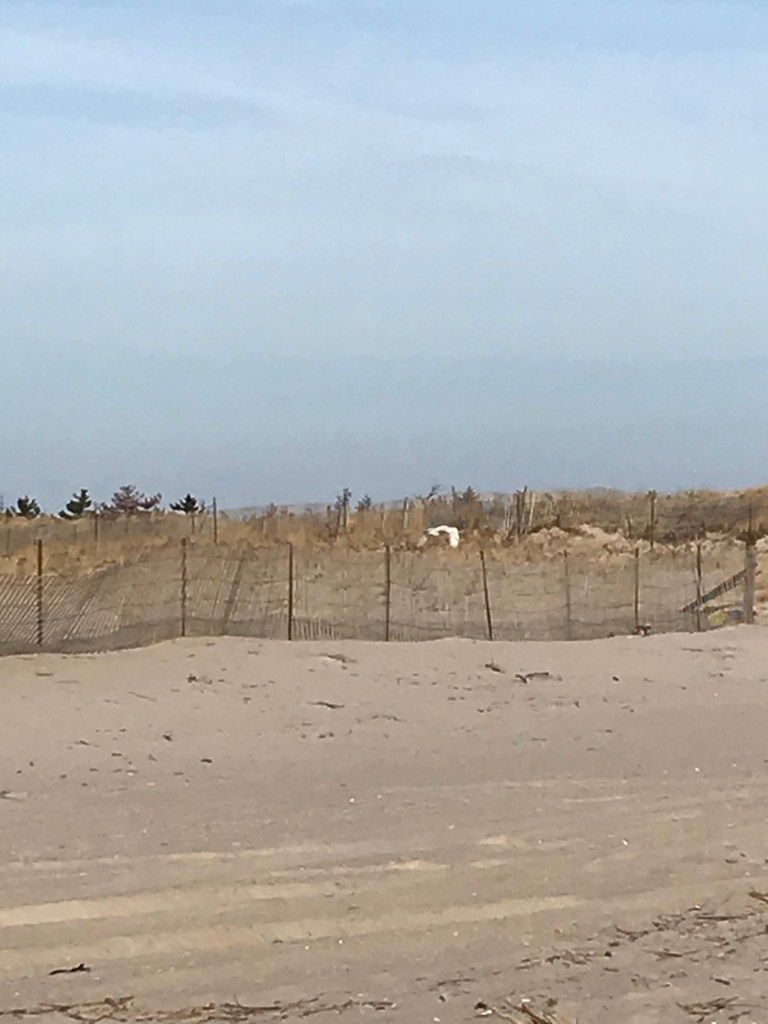
Some sort of Marsh Hawk nest and pair

So we stumbled upon a nest of some marsh hawks while we were driving around on the beach. I decided to leap out of the car and start snapping photos of the nest. We observed that they may have been nesting here.

Now that our interests were piqued, we decided to continue our journey but now in hopes of finding more birds of prey.

Our journey was coming to a close fairly soon, we couldn’t find the hawks we saw earlier.. However, we may have found something even greater.

Can you tell what that is?
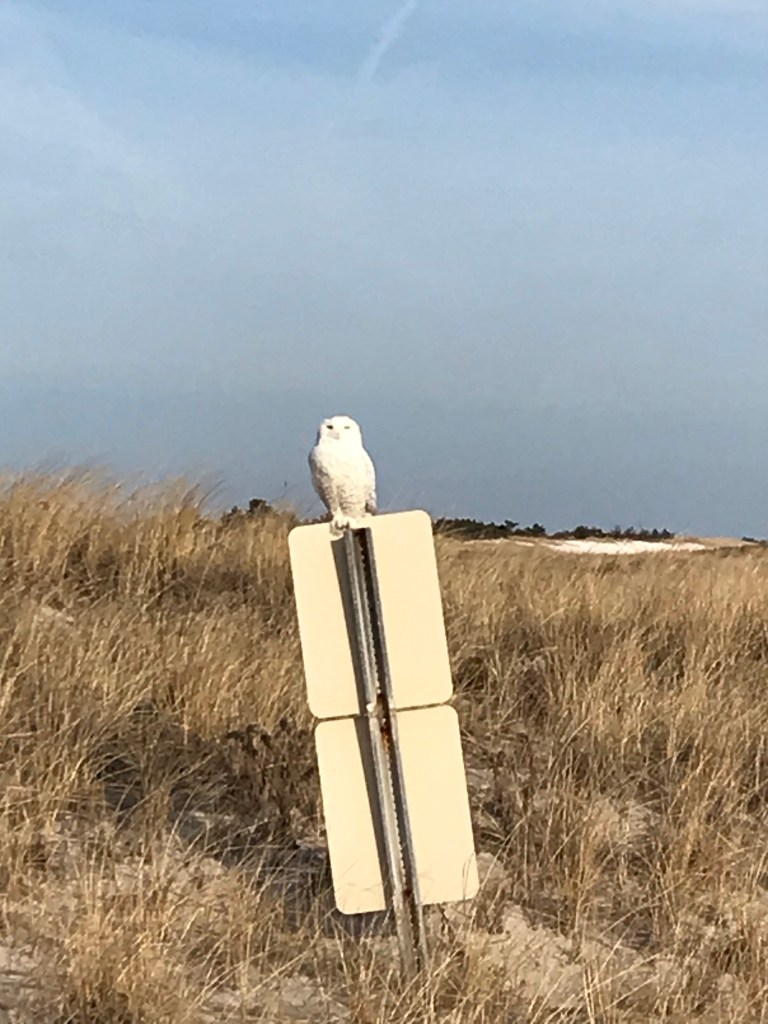
The Snowy Owl

On our way back, we couldn’t believe our eyes. It was a snowy owl. Male, by the looks of it, being that it was so large. Absolutely beautiful creature, and he just let us hangout and take photos and videos with him.

The Empty Nest

  • Migration

The Osprey spends spring and summer and part of the fall living on the North American Continent.  By fall, they begin their migration south.  Ospreys may spend the winters from southern North America and into South America.

  • Description

The Osprey, being a large bird prey, measures 22-25 inches and has a wingspan of 4-6 feet.  It is considered a “fish-hawk.”  At a distance, they may resemble a gull.  Their life expectancy is roughly ten to fifteen years.  Their habitat includes lakes, rivers and seacoasts.  They have a loud, musical chirp.   The Osprey hunts for fish.  They do this by hovering over the water, then dive in feet first.  Once, or if, the Osprey catches a fish, they orient the fish in an aerodynamic manner.  This makes the flight back to the nest easier.  One Osprey will go out and collect the food, while its’ mate stays at the nest to protect the young.  

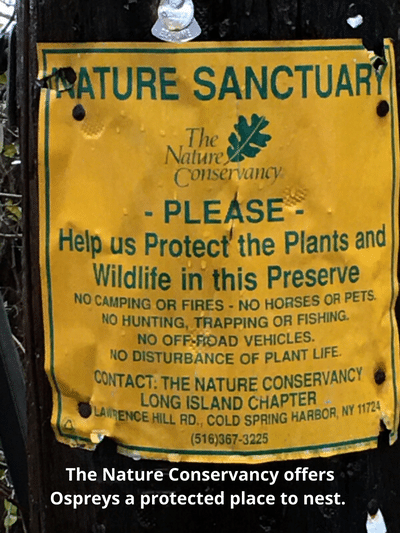
Nature Sanctuary

Photo and Edit Done by Myself
  • Habitat: 

In New York State, the Osprey primarily lives in the Adirondack region and on Long Island.  In the Adirondacks they will be found along lakes and rivers that offer them the opportunity to hunt fish.  On Long Island they become part of our marine environment; nesting along the coast line.  In addition to this, similar to the Adirondacks they can also nest along rivers and lakes.  Typically, Ospreys nest above the ground, but occasionally they nest on the ground.

  • Status

Due to pesticide use in the 1940’s, we nearly lost our breeding pairs of Osprey.  Since the ban of these pesticides, breeding pairs have been on the increase and Ospreys have gone from “Endangered,” to “Threatened” and currently are listed as a “Special Concern.”

  • Benefit of Sanctuary

There are many things that can be done to protect the Osprey.  One of them would be to put them into protective nature sanctuaries, which increases the chance of their survival.

Interesting Eagle/Human Interactions

What an interesting relationship these two have..

“…if handled properly, a Golden Eagle is one of the sweetest and gentlest and most affectionate among all the birds of prey.”

Martin
  • If you watch the video above, you will see that these two have such a good relationship.
  • They both show affection toward each other.
  • They have respect for one another.
Design a site like this with WordPress.com
Get started